

Most neighbourhood guides start with the houses. Langstaff has to start with a map, because the name on a listing here can point to places in three different municipalities, and because this corner of Richmond Hill had its future written into provincial planning policy long before most of what stands here today was built.
One Name, Three Places
Search for Langstaff and the results will not all be in the same city. There is the Langstaff community in Richmond Hill, at the city’s south end around Yonge Street, Highway 7 and the Highway 407 corridor. There are the Langstaff Gateway lands on the Markham side, across the rail corridor, planned for high-density development of their own. And there is Langstaff Road, which runs east-west across Vaughan, much of it through industrial and employment land that has nothing to do with either.
This is not trivia. The municipality determines the property tax rate you will pay, the development charges that were built into a new building’s price, and which planning department is reviewing the tower proposed next door. One thing that does not change across the three is land transfer tax: none of them levies a municipal land transfer tax the way Toronto does, so a buyer here pays the provincial tax only.
A Growth Centre Before It Was a Neighbourhood
When Ontario adopted its Growth Plan for the Greater Golden Horseshoe in 2006, it named a short list of urban growth centres where the province expected the highest concentrations of new homes and jobs. Richmond Hill/Langstaff Gateway is one of them, alongside Markham Centre, the Vaughan centre around the subway, and Newmarket.
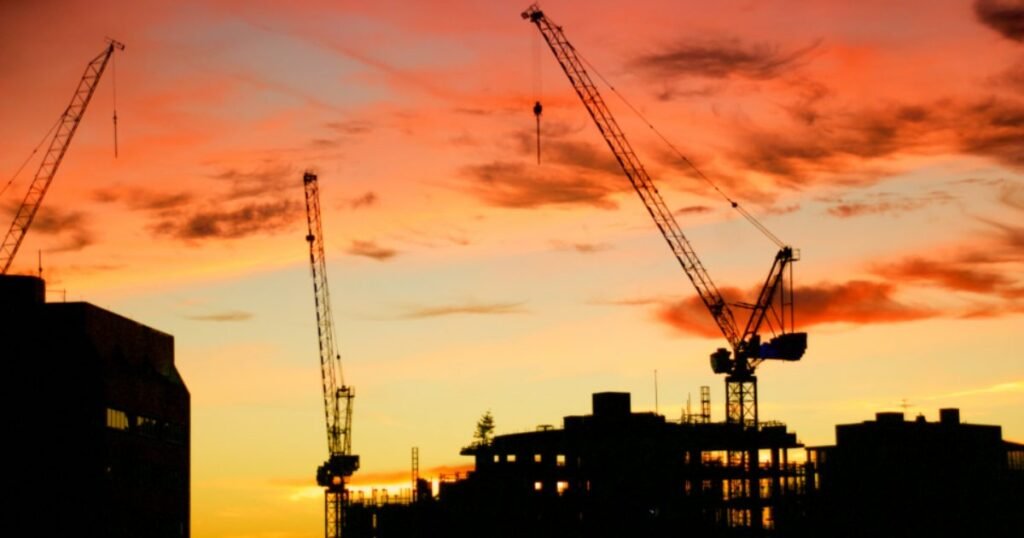
That designation explains the skyline. Towers here are not an exception that slipped through; they are the stated intent of policy. For a buyer, it has two consequences worth taking seriously. First, the open view from a unit today is not protected by anything, because the surrounding land is expected to fill in at height. Second, new supply will keep arriving for years, which means a resale condo here competes not only with other resale units but with new launches and with assignment sales from buyers who purchased pre-construction and want out before closing.
The Subway Is the Whole Story, and It Is Not Here Yet
The Yonge North Subway Extension will carry Line 1 roughly 8 kilometres north from Finch into Richmond Hill, with its northern stations at Bridge, near Highway 7 and the 407, and High Tech, the terminus. The provincial plan attaches more than 40,000 new homes to the communities around those two stations, which is a direct statement of how much more density is coming to this area.
Two things follow for anyone buying in Langstaff now. Prices near the future stations have reflected the subway, at least partly, for years already, so a buyer is paying today for an amenity that has not opened. And the walk matters more than the map suggests: Highway 7, the 407 and the rail line all cut through this area, and a building that looks close to a station entrance on a map can be a long walk around an interchange in practice. Before paying a premium for proximity, walk the actual route.
How People Get Around Today
Until the subway opens, Langstaff runs on buses and one rail line. VIVA Blue runs along Yonge Street and VIVA Purple along Highway 7, with the Richmond Hill Centre terminal as the hub between them. Langstaff GO station sits on the Richmond Hill line, which runs through the Don Valley to Union Station, but that line has historically offered far less service than the GO lines along the lakeshore, concentrated in weekday rush hours, so check the current schedule rather than assuming all-day trains.
For drivers, the position is excellent: Highway 407 and Highway 404 are minutes away and Yonge Street leads straight south. The 407 is tolled, which is a real monthly cost for anyone commuting on it daily and worth including in the budget when comparing Langstaff with a subway-served condo in North York.
What Buyers Here Are Actually Choosing Between
For most buyers, Langstaff means a condominium. The practical comparisons are between buildings rather than streets, and the things that separate one Langstaff unit from another are specific:
- Exposure. Units facing Highway 7, the 407 or the rail line carry noise that a quieter side of the same building does not. Visit at rush hour.
- Construction nearby. In a designated growth centre with a subway under way, the question is not whether there will be construction nearby but for how long. Ask what is approved or proposed on the neighbouring parcels.
- Parking. York Region is still largely car-dependent. Until the subway runs, a unit with a parking space is easier to sell or rent than one without, even this close to transit.
- The status certificate. Newer buildings can look fine on the surface and still carry a thin reserve fund or pending special assessments. Have your lawyer read it before you are firm.
The Market in 2026
Richmond Hill as a whole recorded 161 sales in August 2026 at an average of $1,205,777 and a median of $1,068,888, with 5.6 months of inventory and a sales-to-new-listings ratio of 33.1%, the loosest of the four markets we follow. Those figures blend Langstaff condos with detached homes across the whole city, so they overstate what a typical Langstaff unit sells for. Across the GTA, condominium apartments averaged $617,593 on 1,330 sales in the same month, 26.3% of all transactions.
The looser citywide market gives buyers some room to negotiate, and it is compounded here by the steady flow of new and assignment supply. The more useful benchmark for a specific unit is what comparable units in the same building and its immediate neighbours have actually sold for recently.
Frequently Asked Questions
Is Langstaff in Richmond Hill, Markham or Vaughan?
The Langstaff community is in Richmond Hill, around Yonge Street and Highway 7. The Langstaff Gateway lands across the rail corridor are in Markham, and Langstaff Road runs through Vaughan. Confirm the municipality on any listing, because it determines property tax and planning jurisdiction.
Where will the subway stop near Langstaff?
The Yonge North Subway Extension plans stations at Bridge, near Highway 7 and the 407, and at High Tech, its northern terminus. Check the actual walking route from a building to the planned entrance rather than relying on straight-line distance.
Why are so many towers being built here?
Richmond Hill/Langstaff Gateway was designated an urban growth centre in Ontario’s 2006 Growth Plan, which directs high-density housing and employment to the area. Towers are the intended outcome of that policy.
Is Langstaff GO a good commuting option?
It connects to Union Station on the Richmond Hill line, but service on that line has historically been concentrated in weekday peak periods. Check the current GO timetable against your own schedule before relying on it.
Weighing a condo in Langstaff against one elsewhere along the subway line? The gap between two units in the same building can be larger than the gap between two neighbourhoods. Reach out for buyer representation and we can compare what has actually sold in the buildings you are considering, or start with an overview of Richmond Hill.